Interview multiple candidates
Lorem ipsum dolor sit amet, consectetur adipiscing elit proin mi pellentesque lorem turpis feugiat non sed sed sed aliquam lectus sodales gravida turpis maassa odio faucibus accumsan turpis nulla tellus purus ut cursus lorem in pellentesque risus turpis eget quam eu nunc sed diam.
Search for the right experience
Lorem ipsum dolor sit amet, consectetur adipiscing elit proin mi pellentesque lorem turpis feugiat non sed sed sed aliquam lectus sodales gravida turpis maassa odio.
- Lorem ipsum dolor sit amet, consectetur adipiscing elit.
- Porttitor nibh est vulputate vitae sem vitae.
- Netus vestibulum dignissim scelerisque vitae.
- Amet tellus nisl risus lorem vulputate velit eget.
Ask for past work examples & results
Lorem ipsum dolor sit amet, consectetur adipiscing elit consectetur in proin mattis enim posuere maecenas non magna mauris, feugiat montes, porttitor eget nulla id id.
- Lorem ipsum dolor sit amet, consectetur adipiscing elit.
- Netus vestibulum dignissim scelerisque vitae.
- Porttitor nibh est vulputate vitae sem vitae.
- Amet tellus nisl risus lorem vulputate velit eget.
Vet candidates & ask for past references before hiring
Lorem ipsum dolor sit amet, consectetur adipiscing elit ut suspendisse convallis enim tincidunt nunc condimentum facilisi accumsan tempor donec dolor malesuada vestibulum in sed sed morbi accumsan tristique turpis vivamus non velit euismod.
“Lorem ipsum dolor sit amet, consectetur adipiscing elit nunc gravida purus urna, ipsum eu morbi in enim”
Once you hire them, give them access for all tools & resources for success
Lorem ipsum dolor sit amet, consectetur adipiscing elit ut suspendisse convallis enim tincidunt nunc condimentum facilisi accumsan tempor donec dolor malesuada vestibulum in sed sed morbi accumsan tristique turpis vivamus non velit euismod.
Introduction
Walk into almost any NHS hospital today and you’ll see the same thing:
Patients waiting.
Phones in hand.
Digital systems increasingly shaping their journey.
Now look a little closer.
You’ll also see:
- low battery warnings
- patients searching for sockets
- staff stepping in to help with avoidable issues
What appears to be a minor inconvenience is, in reality, something much bigger.
Patient device charging is no longer a convenience. It is an infrastructure requirement.
Without power, digital healthcare doesn't work.
The Hidden Infrastructure Gap in Hospitals
The NHS has invested heavily in:
- digital transformation
- patient communication systems
- remote and self-service pathways
But one critical dependency is often overlooked:
👉 Patients need power to participate.
Without it:
- Digital pathways break down
- Communication drops off
- Engagement declines
- Staff workload increases
This is not a technology problem.
It’s an infrastructure gap.
From “Charging Station” to “Care Environment Infrastructure”
Historically, charging solutions have been viewed as:
an optional extra
a patient amenity
a “nice to have”
But this framing no longer reflects reality.
Charging is now part of the core care environment, sitting alongside seating, lighting, signage and WiFi – all of which are essential to modern healthcare infrastructure.
In fact, the comparison with WiFi is telling.
There was a time when WiFi in hospitals was considered a luxury.
Today, it is unthinkable to operate without it.
👉 Patient charging is following the same trajectory – from optional to essential, almost without anyone noticing.
Have a read of our article on Supporting Patients, Visitors and Staff: Practical Charging Solutions for NHS Hospitals

Real-World Impact: Small Problem, System-Wide Effect
When patients lose access to power:
- 📉 Digital engagement drops
- 📵 Appointment updates are missed
- 😟 Anxiety increases in waiting areas
- 🧑⚕️ Staff time is diverted into avoidable interactions
Individually, these are small issues.
At scale, across thousands of patients per day, they create measurable operational friction.
The Rise of Nomophobia in Healthcare Settings
There is also a growing behavioural factor:
Nomophobia — the fear of being without a mobile phone or losing connectivity.
In a hospital environment, this is amplified:
- Patients rely on devices for reassurance
- Families depend on updates
- Digital systems increasingly require interaction
A lack of accessible charging doesn’t just inconvenience patients — it adds to stress and perceived waiting times.

Cross-Sector Insight: Hospitals Are Not Unique
This shift isn’t happening in isolation.
In sectors like:
- stadiums
- transport hubs
- retail environments
Charging infrastructure is already embedded as standard.
Why?
Because organisations have recognised that:
power access enables engagement, flow, and experience
Hospitals are now catching up — but the need is arguably greater.
Cost Misconception: Charging Is Not Expensive
One of the common assumptions is that providing charging infrastructure is costly to operate.
In reality, the cost of charging a smartphone is negligible.
👉 Read more about the real cost of charging a mobile phone in healthcare settings: What does free phone charging cost in 2026
When weighed against:
- staff time
- patient satisfaction
- digital pathway efficiency
…the return on investment becomes clear.
What looks like a small convenience issue is, at scale, an operational one.
Procurement Made Simple: NHS SBS Framework
Crable solutions are available through the NHS Shared Business Services (SBS) framework via Renray Healthcare, enabling:
- ✅ Compliant procurement
- ✅ No need for lengthy tender processes
- ✅ Faster deployment across sites
👉 Explore the NHS SBS Design. Furniture and Appliances 2 Framework
This removes one of the biggest barriers to adoption which means trusts can move from interest to implementation without the usual procurement delays.
Flexible Deployment: Capex-Free Options
We understand that capital budgets are under pressure.
That’s why Crable solutions are available through:
- Short-term hire — ideal for trials, high-pressure periods, or seasonal demand
- Long-term rental — enabling rollout without upfront capital expenditure
No capital approval cycles. No large upfront spend.
Get in touch to get an idea of pricing and affordability
This allows trusts to:
- test impact
- scale gradually
- avoid large upfront costs

What Implementation Looks Like
Crable units are already deployed across NHS environments including:
- Emergency Departments
- Waiting areas
- Outpatient clinics
- Staff spaces
They are designed to:
- integrate into existing hospital estates
- require minimal installation
- operate reliably in high-traffic environments

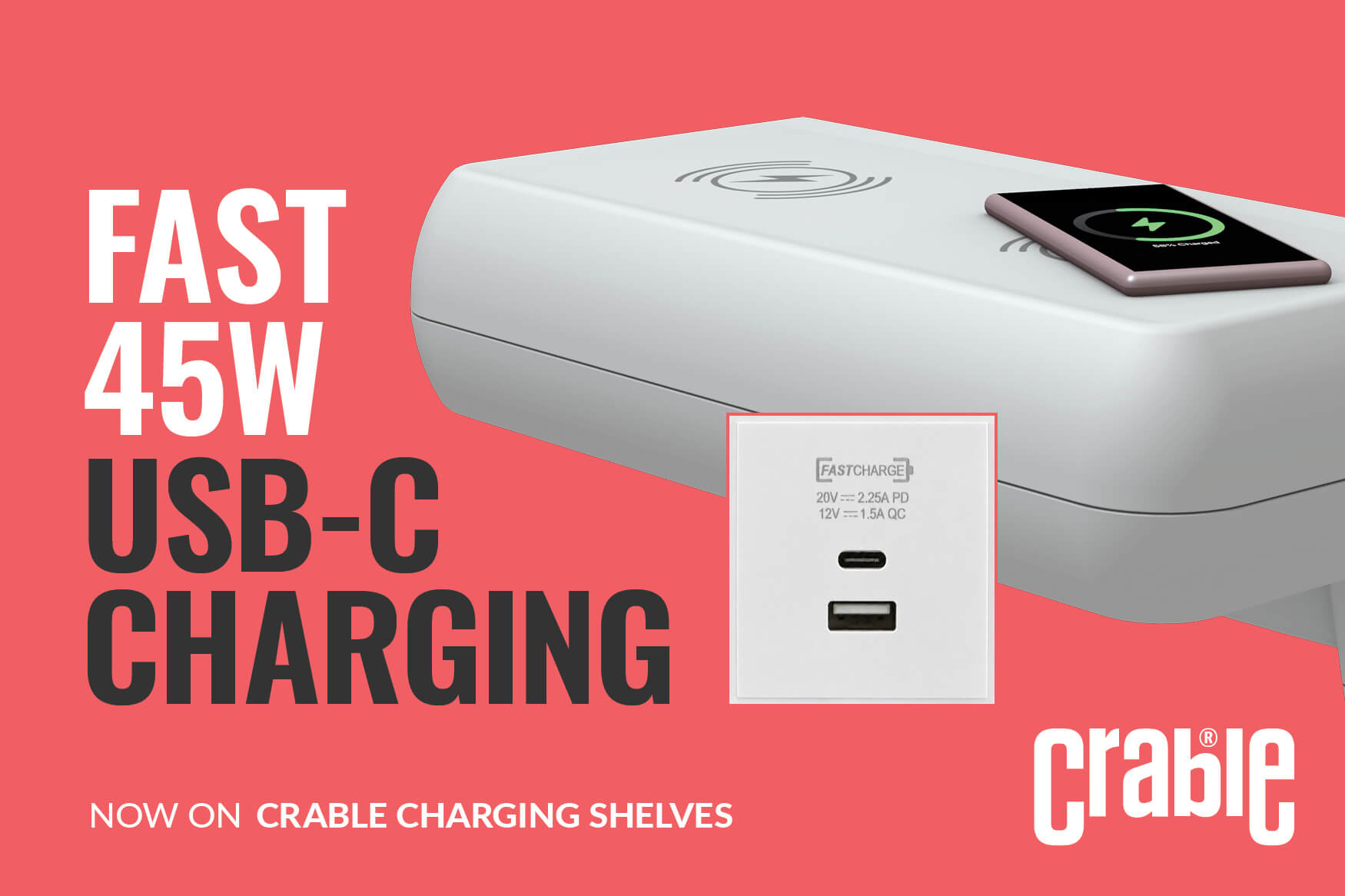
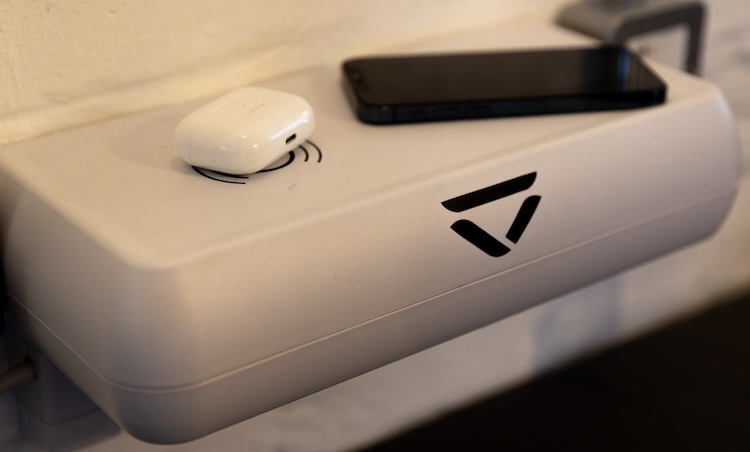
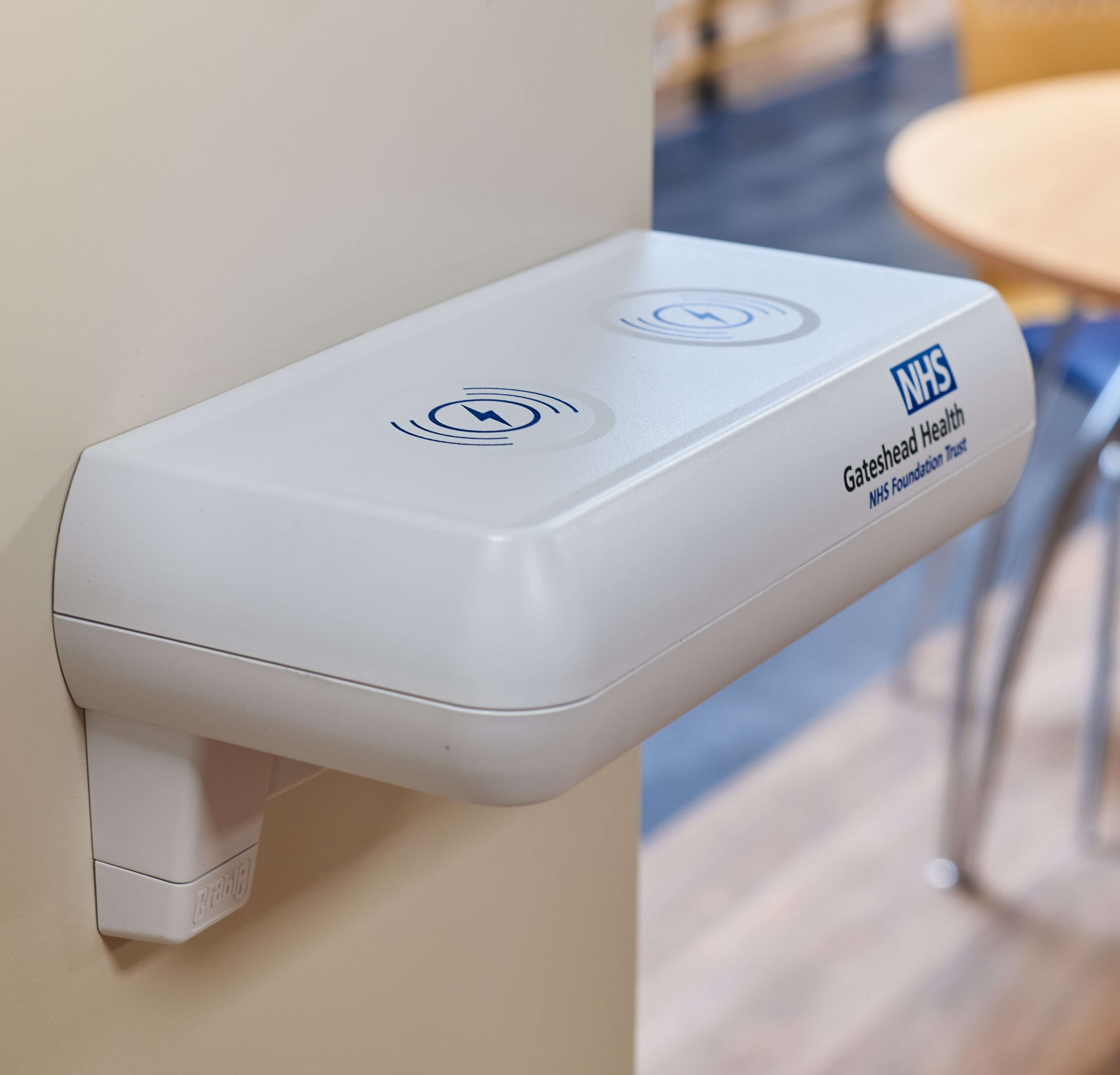
125+ Crable charging shelves deployed at QE Hospital, Gateshead
A Shift in Thinking
The key question is no longer:
“Should we provide charging?”
But:
“Where does this sit within our infrastructure strategy?”
Is it:
- Estates?
- Digital?
- Patient experience?
Because the answer determines whether it is:
- overlooked
- or embedded as standard
Conclusion
Healthcare environments are evolving.
Digital pathways, patient expectations, and operational pressures are all increasing.
Supporting infrastructure must evolve with them.
Patient charging is no longer a peripheral feature.
It is part of the infrastructure modern healthcare now depends on.
If you’re exploring how this fits within your organisation, speak to our team about deploying phone charging stations in your hospital:
👉 Get in touch to explore how charging stations could be deployed in your hospital


Join our mailing list
Sign up to our mailing list to be informed of relevant updates and insights from Crable.

NHS Charging Solutions Case Study
Over 125 Crable charging shelves installed throughout the QE Hospital, Gateshead.
Download