Interview multiple candidates
Lorem ipsum dolor sit amet, consectetur adipiscing elit proin mi pellentesque lorem turpis feugiat non sed sed sed aliquam lectus sodales gravida turpis maassa odio faucibus accumsan turpis nulla tellus purus ut cursus lorem in pellentesque risus turpis eget quam eu nunc sed diam.
Search for the right experience
Lorem ipsum dolor sit amet, consectetur adipiscing elit proin mi pellentesque lorem turpis feugiat non sed sed sed aliquam lectus sodales gravida turpis maassa odio.
- Lorem ipsum dolor sit amet, consectetur adipiscing elit.
- Porttitor nibh est vulputate vitae sem vitae.
- Netus vestibulum dignissim scelerisque vitae.
- Amet tellus nisl risus lorem vulputate velit eget.
Ask for past work examples & results
Lorem ipsum dolor sit amet, consectetur adipiscing elit consectetur in proin mattis enim posuere maecenas non magna mauris, feugiat montes, porttitor eget nulla id id.
- Lorem ipsum dolor sit amet, consectetur adipiscing elit.
- Netus vestibulum dignissim scelerisque vitae.
- Porttitor nibh est vulputate vitae sem vitae.
- Amet tellus nisl risus lorem vulputate velit eget.
Vet candidates & ask for past references before hiring
Lorem ipsum dolor sit amet, consectetur adipiscing elit ut suspendisse convallis enim tincidunt nunc condimentum facilisi accumsan tempor donec dolor malesuada vestibulum in sed sed morbi accumsan tristique turpis vivamus non velit euismod.
“Lorem ipsum dolor sit amet, consectetur adipiscing elit nunc gravida purus urna, ipsum eu morbi in enim”
Once you hire them, give them access for all tools & resources for success
Lorem ipsum dolor sit amet, consectetur adipiscing elit ut suspendisse convallis enim tincidunt nunc condimentum facilisi accumsan tempor donec dolor malesuada vestibulum in sed sed morbi accumsan tristique turpis vivamus non velit euismod.
At the time of writing, most football clubs are more or less there. A few still have something riding on the next couple of weeks — promotion pushes, relegation scraps, the odd European place still up for grabs — but for the majority, attention has already started drifting towards next season.
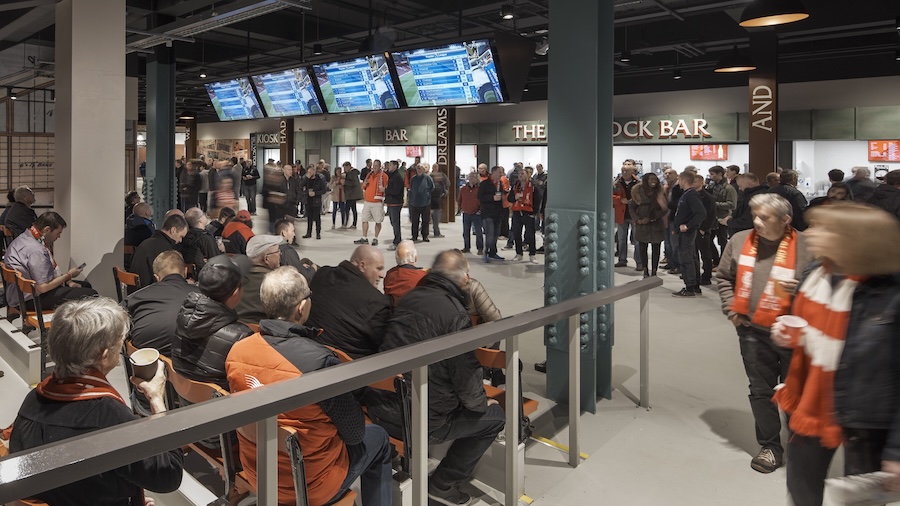
That shift happens quietly. One minute you’re focused on fixtures, the next you’re talking budgets, pre-season plans, recruitment, and commercial targets. It’s just the natural rhythm of things.
What tends to sit slightly to one side, at least at first, is the matchday experience.
Not because it’s not important — everyone knows it is — more that it doesn’t always have a clean starting point. It’s rarely one person’s responsibility and it doesn’t neatly fall into a single department. So it gets picked up in bits, at different times, often later than ideal.
And that’s where this window becomes more important than people expect.
There’s a version of this every year where May feels like there’s loads of time. Then June arrives, people quite rightly take a breather after the season, pre-season ramps up, and before you know it, you’re into July trying to line things up for the first home game.
At that point, you’re not really exploring ideas anymore — you’re making compromises.
The clubs that get the most out of this period aren’t necessarily the ones doing the biggest projects, they’re the ones who start the right conversations early enough to do them properly.
Darren Young, The Fan Experience Company
The reason it plays out like this is simple enough. Improving matchday experience sounds straightforward, but in reality it cuts across quite a few areas.
- Estates and operations — what physically works in the stadium
- Commercial — how space drives revenue and engagement
- Comms — how everything looks and feels
- Technology — how ordering and payment systems function under pressure
None of those teams are wrong. They’re just looking at the same thing from different angles. Getting alignment takes a bit of time and usually a few proper conversations before anything clicks into place.
What’s been interesting over the last couple of seasons is the shift in where clubs are focusing.
Less talk of big, sweeping redevelopments.More focus on targeted improvements that actually change how a matchday feels.
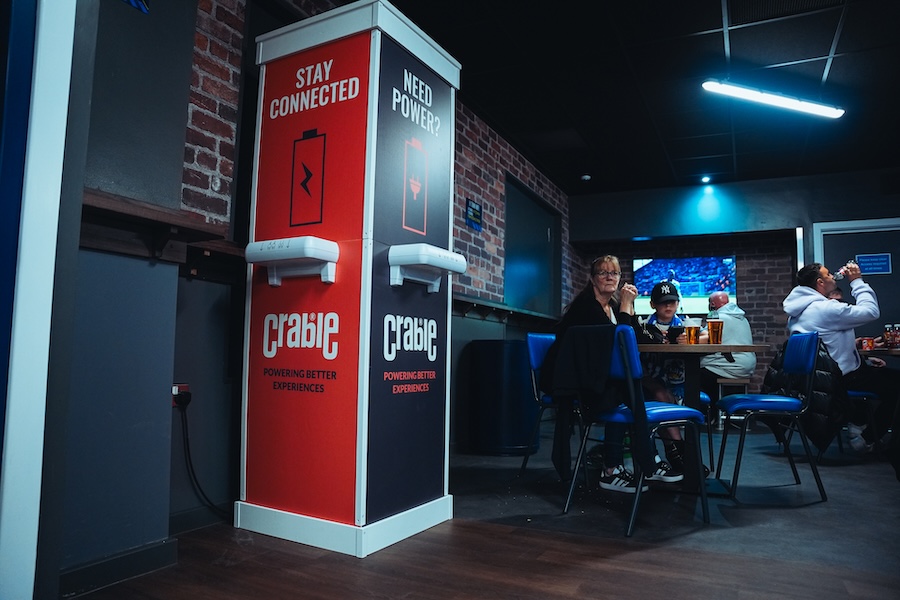
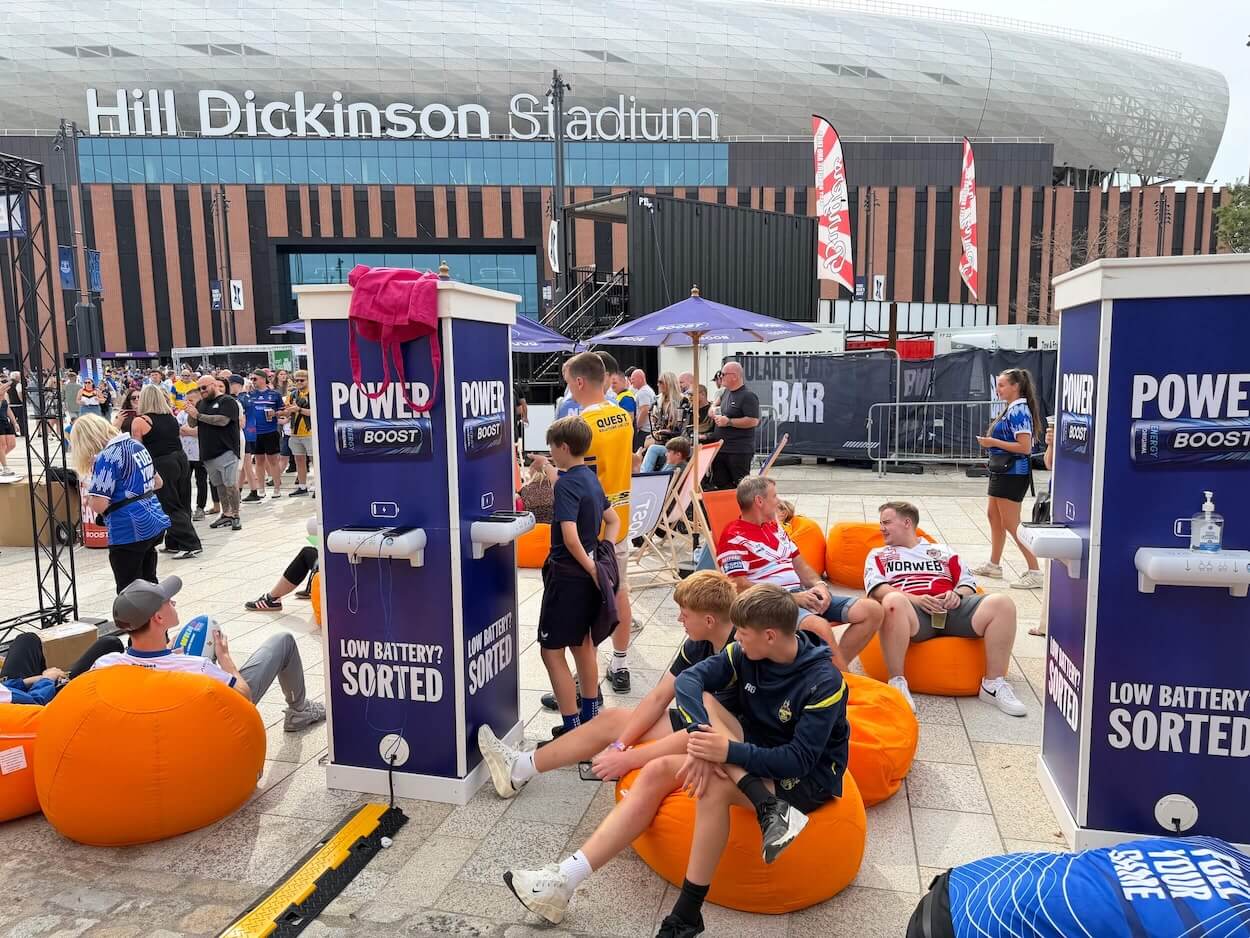
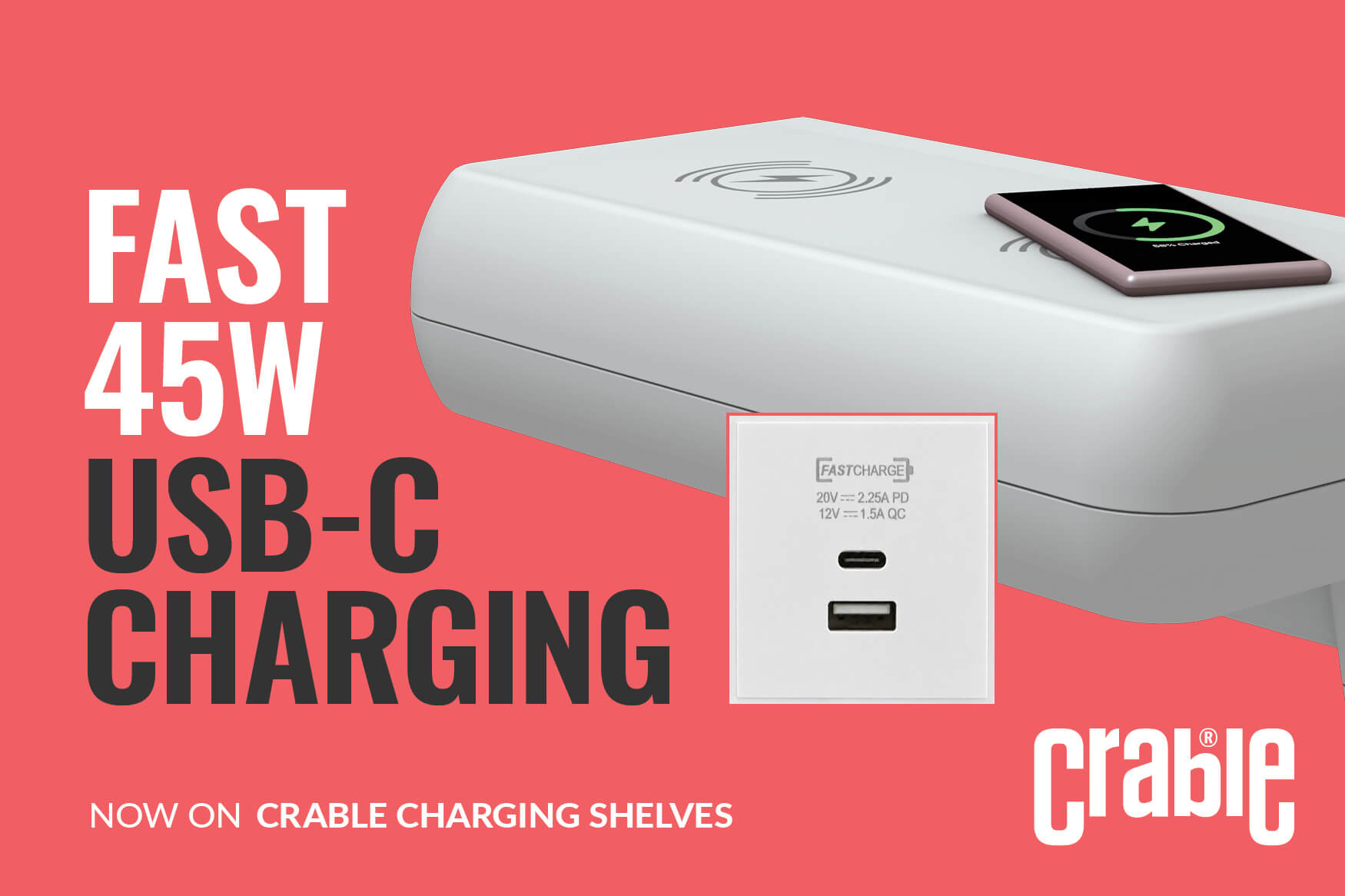
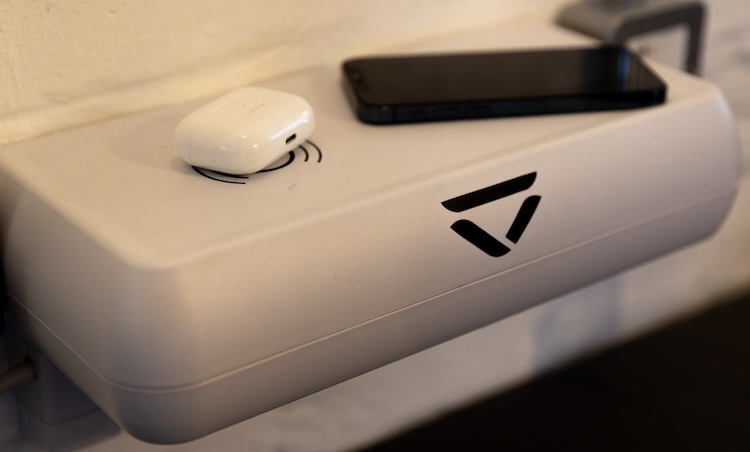
Often, that comes down to relatively simple infrastructure, just thought about properly and placed in the right areas. Things like Totems and Shelves — not particularly complicated in themselves, but when they’re designed into the stadium experience properly (even retrospectively), they can:
- reduce friction in high-traffic areas
- create clearer, more intuitive fan journeys
- open up new ordering and collection points
- make spaces feel more considered, not just functional
They’re small changes on paper, but noticeable ones in reality.
The bit that tends to get underestimated is how much thought sits behind getting those right.
It’s not just “put something there and it works”.
It’s:
- where it sits in the flow of people
- how it looks in that environment
- how it integrates with existing systems
- and how it performs when the stadium is actually full
If something slows fans down or creates confusion, you’ll know about it within minutes on a matchday. The best setups are the ones people don’t even think about — they just work.
— Senior Stadium Operations Lead
Get that right and it feels seamless. Get it slightly wrong and it either underperforms or creates more problems than it solves.
Timing is what quietly dictates whether that thinking happens properly or not.
In reality, the rough shape of this period looks like:
- Now → early June — conversations, ideas, alignment
- Mid June → early July — decisions, design, planning
- July → early August — install, test, refine
It’s not rigid, but it’s real enough that you see the same pattern every year.

Start early and you’ve got options. Leave it later and you’re working around constraints.
A lot of what we do at Crable sits in that gap between idea and delivery.
Sometimes that’s supporting estates teams to make installs straightforward. Sometimes it’s working with comms so everything looks right. Quite often it’s coordinating with ordering and payment providers — Sticky and others — to make sure everything connects properly and works under pressure.
And sometimes it’s just helping clubs step back for a moment and sense-check what’s actually going to make a difference.
We’re not precious about where we sit in that process. It changes from club to club.
But the aim is always the same — make it easier to get something right, without adding complexity.
Where most clubs are now, or will be very shortly, is that slightly rare moment where there’s just enough space to think clearly. The season is nearly done (bar a few nervy final days), the next one is starting to take shape, and there’s an opportunity to look at the stadium experience with fresh eyes before everything speeds up again.

It doesn’t need to turn into a major project.
More often than not it’s just:
- getting the right people into a conversation
- sharing a few ideas
- working out what’s realistic
- and giving ourselves enough time to deliver it properly
The clubs that do that now tend to be the ones where, come the first home game of 26/27, something just feels… better.
Not dramatically different. Just noticeably improved in a way fans pick up on straight away.
No hard push from us on this.
It’s just the point in the calendar where these conversations make the most sense.
And if you’re starting to think about what next season could look like from a fan experience point of view, it’s probably a good time to start having them.


Join our mailing list
Sign up to our mailing list to be informed of relevant updates and insights from Crable.