Interview multiple candidates
Lorem ipsum dolor sit amet, consectetur adipiscing elit proin mi pellentesque lorem turpis feugiat non sed sed sed aliquam lectus sodales gravida turpis maassa odio faucibus accumsan turpis nulla tellus purus ut cursus lorem in pellentesque risus turpis eget quam eu nunc sed diam.
Search for the right experience
Lorem ipsum dolor sit amet, consectetur adipiscing elit proin mi pellentesque lorem turpis feugiat non sed sed sed aliquam lectus sodales gravida turpis maassa odio.
- Lorem ipsum dolor sit amet, consectetur adipiscing elit.
- Porttitor nibh est vulputate vitae sem vitae.
- Netus vestibulum dignissim scelerisque vitae.
- Amet tellus nisl risus lorem vulputate velit eget.
Ask for past work examples & results
Lorem ipsum dolor sit amet, consectetur adipiscing elit consectetur in proin mattis enim posuere maecenas non magna mauris, feugiat montes, porttitor eget nulla id id.
- Lorem ipsum dolor sit amet, consectetur adipiscing elit.
- Netus vestibulum dignissim scelerisque vitae.
- Porttitor nibh est vulputate vitae sem vitae.
- Amet tellus nisl risus lorem vulputate velit eget.
Vet candidates & ask for past references before hiring
Lorem ipsum dolor sit amet, consectetur adipiscing elit ut suspendisse convallis enim tincidunt nunc condimentum facilisi accumsan tempor donec dolor malesuada vestibulum in sed sed morbi accumsan tristique turpis vivamus non velit euismod.
“Lorem ipsum dolor sit amet, consectetur adipiscing elit nunc gravida purus urna, ipsum eu morbi in enim”
Once you hire them, give them access for all tools & resources for success
Lorem ipsum dolor sit amet, consectetur adipiscing elit ut suspendisse convallis enim tincidunt nunc condimentum facilisi accumsan tempor donec dolor malesuada vestibulum in sed sed morbi accumsan tristique turpis vivamus non velit euismod.
Why the most effective sponsorships are the ones people actually use
For decades, sponsorship was largely about buying visibility.
On a shirt. Around the pitch. Above a stand. Across a programme. Perhaps, if budgets stretched far enough, on the front of a stadium itself. Visibility was everything. The more eyeballs a sponsor could buy, the greater the perceived value.
That thinking hasn't disappeared. Premier League clubs still command extraordinary sponsorship fees. Airports continue to sell advertising space. Shopping centres still wrap escalators in vinyl. Hospitals, universities and transport operators all generate income from traditional advertising. Yet something is beginning to change. The smartest commercial teams and the smartest brands are starting to ask a different question. Not simply, "How many people will see us?" but, "How many people will genuinely value what we've helped to provide?"
It's a subtle change in language, but a profound change in thinking. It shifts sponsorship away from visibility and towards usefulness. In doing so, it opens up opportunities that simply didn't exist when branding and visitor experience were viewed as entirely separate disciplines.
From interruption to interaction
Traditional advertising has always relied on interruption. A billboard interrupts your journey. A television advert interrupts your programme. A digital display competes for your attention. Sometimes that's enough. Often it isn't.
Consumers have become remarkably good at filtering out messages that don't matter to them. We scroll past adverts, ignore banners and instinctively look away from anything that resembles a sales pitch. Yet those very same people will happily queue to use a free phone charging station, connect to guest Wi-Fi, refill a water bottle or visit an information point without giving the sponsor's branding a second thought.
The difference is obvious. One asks for attention. The other provides value.
When a brand genuinely improves somebody's experience, it stops feeling like advertising and starts feeling like service.
Nobody complains that a charging point carries Coca-Cola branding when their phone battery has reached two percent before they need to show a train ticket, scan an event pass or pay for lunch. Quite the opposite. The sponsor becomes associated with solving a problem rather than creating another interruption.
The sponsorship opportunities hiding in plain sight
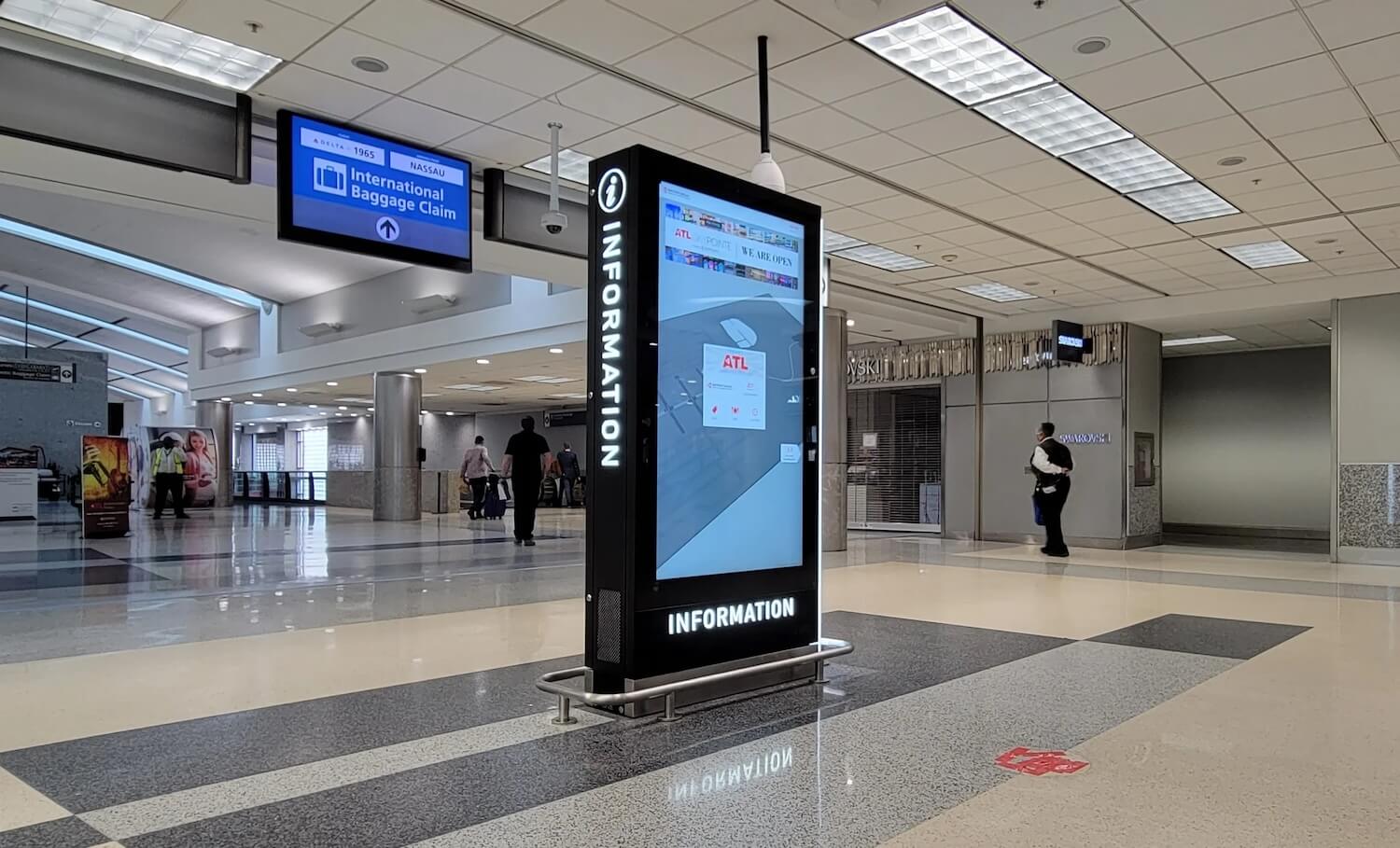
Walk around almost any modern venue and you'll find dozens of assets that exist simply because visitors need them. Information points. Wayfinding. Charging facilities. Meeting points. Order collection areas. Accessibility services. Digital screens. They were never created as sponsorship opportunities. They were created to make a venue work better.
That's precisely what makes them commercially interesting.
Unlike a poster fixed to a wall, these are touchpoints people actively seek out. Visitors don't stumble across them by accident. They use them because they have a purpose. Every interaction is intentional and every interaction is an opportunity to improve someone's day.
For years, venues have treated these assets as operational necessities while selling sponsorship somewhere else. Increasingly, those two worlds are beginning to merge. Useful infrastructure is becoming commercial infrastructure, allowing visitor experience and sponsorship to support one another rather than compete for the same budget.
Why brands should care
Marketing departments have never had access to more data. They know how many people saw an advert, clicked a banner or watched a video. What they often struggle to measure is something considerably more valuable: positive association.
A single family visiting a stadium might need to:
- charge a phone before kick-off
- find the correct entrance
- order food without missing the action
- access accessibility information
- reconnect at a recognised meeting point afterwards
Every one of those moments represents an opportunity for a sponsor to become genuinely useful.
That isn't simply brand awareness. It's brand preference. Visitors remember organisations that improve their experience. They talk about them. They trust them. Increasingly, that's the difference between sponsorship that gets noticed and sponsorship that actually changes consumer perception.
For brands, the conversation also becomes far more measurable. Instead of counting impressions, they can measure interactions, dwell time, QR scans, NFC taps, videos watched, competitions entered, offers redeemed and products ordered. Sponsorship becomes something that can demonstrate engagement rather than simply estimate exposure.
Why venues should care even more
Venue operators face an equally important challenge. Every year visitors expect better facilities, stronger connectivity, faster service and a smoother experience from arrival until departure. Whether you're operating a football stadium, a railway station, a hospital or a shopping centre, expectations rarely stand still.
Providing those improvements costs money.
Commercial teams therefore find themselves asking increasingly difficult questions. How do you justify new infrastructure? How do you improve visitor satisfaction without placing additional pressure on already stretched operational budgets? How do you invest today while demonstrating a return tomorrow?
Perhaps the answer isn't spending more. Perhaps it's recognising that the infrastructure visitors already value can also become commercially valuable.
A Charging Totem doesn't have to be viewed simply as another operational cost. A meeting point doesn't have to remain just a meeting point. A digital information screen doesn't have to exist solely for public messaging. When infrastructure becomes attractive to sponsors, visitor experience and commercial income begin reinforcing one another.
That changes the conversation entirely.

Thinking beyond individual venues
This is where the opportunity becomes genuinely significant.
One charging installation inside a stadium is useful. The same infrastructure deployed consistently across twenty stadiums becomes a sponsorship platform. Across seventy-two football clubs it becomes a national activation. Across an NHS Trust, an airport group, a hotel operator, a retail estate or a transport network it becomes something else again.
Scale changes the conversation.
Brands rarely think in individual locations. Coca-Cola doesn't build campaigns around one stadium. Network Rail doesn't think about one station. NHS Trusts don't innovate one hospital at a time. They think in estates, regions and national programmes because consistency reduces administration, improves reporting and strengthens customer experience.
Venues should be thinking in exactly the same way.
Whether it's a football league, a rail operator, a university group or a healthcare trust, consistent infrastructure creates consistent commercial opportunities. One agreement. One creative campaign. One reporting framework. One visitor experience replicated across multiple locations.
That's a far more compelling proposition than simply selling another advertising board.
Utility doesn't have to look the same everywhere
One of the biggest misconceptions about visitor infrastructure is that every venue requires exactly the same solution.
In reality, usefulness should always reflect the environment.
A football stadium has different priorities from a hospital. A railway station serves different needs from a shopping centre. A festival behaves differently from a university campus. The common thread isn't the hardware. It's the value that hardware delivers.

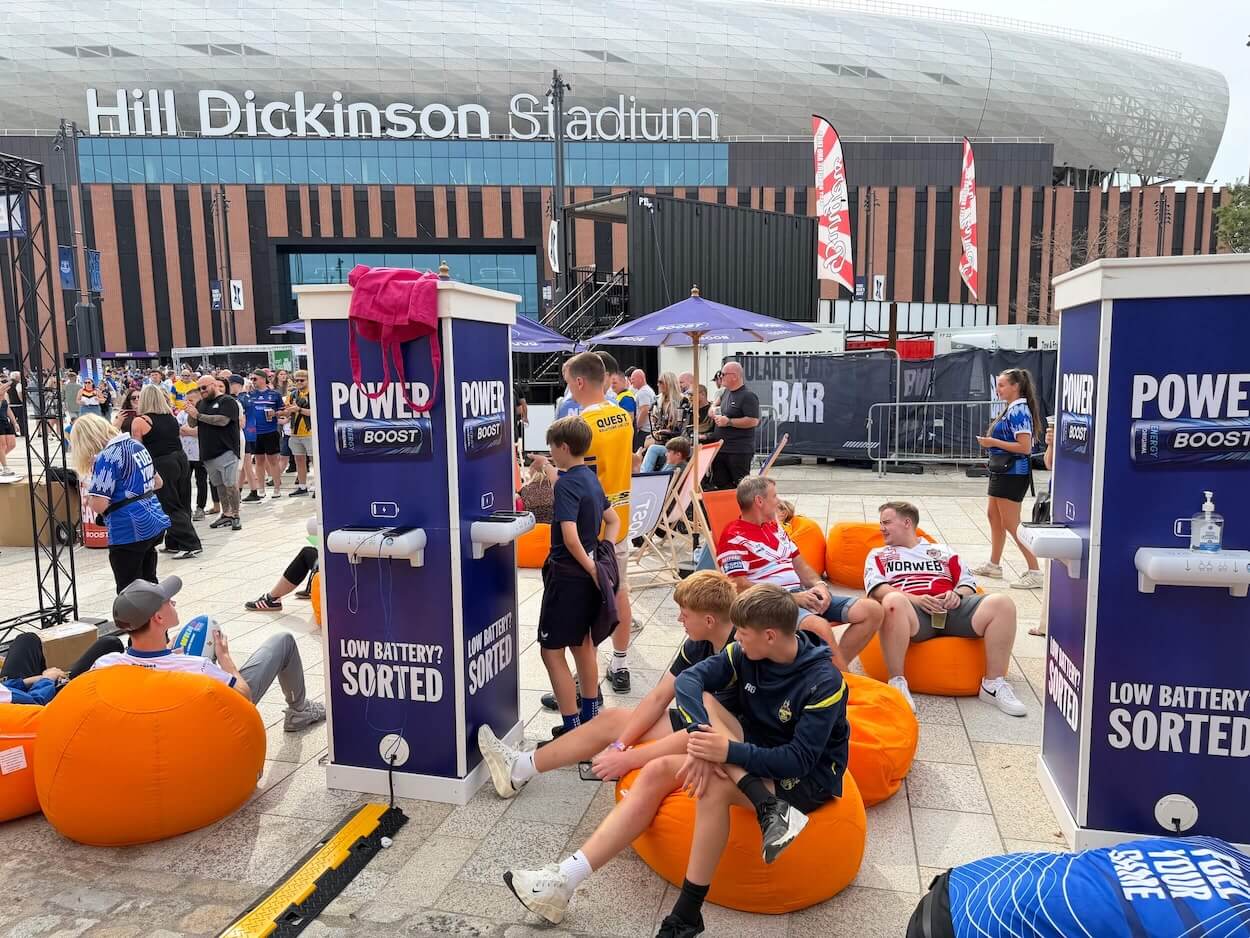
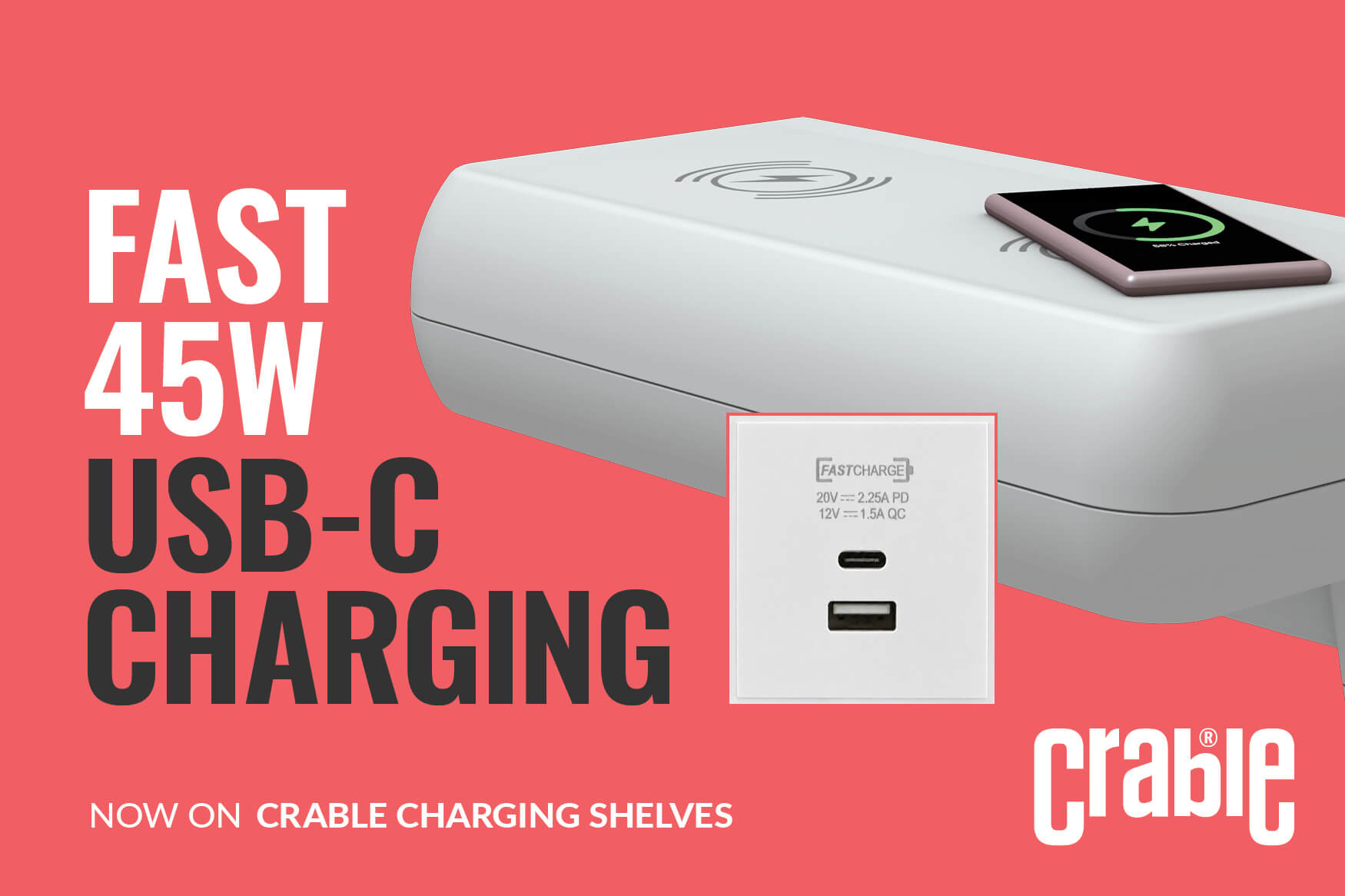
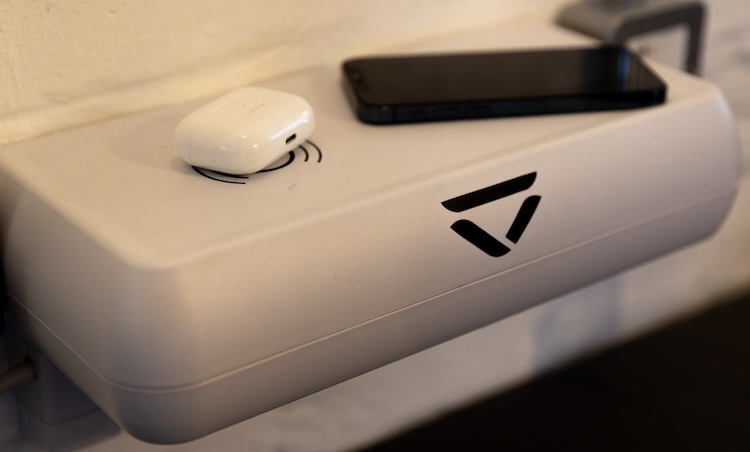
One venue may prioritise rapid phone charging through Charging Shelves because visitors remain on site for several hours. Another may use the same infrastructure as a highly visible meeting point. Elsewhere it may become a digital order point, allowing visitors to buy food and drink without standing in queues. Hospitals may prioritise accessibility guidance, patient information and wellbeing resources. Railway stations may focus on live travel information, onward journeys and local services.
The infrastructure remains remarkably similar. Its purpose evolves to match the visitor.
The Charging Totem becomes much more than charging
This is where charging deserves a fresh look.
Most people still think of phone charging as a convenience. It is. But it's also one of the very few services visitors actively search for. Nobody walks around looking for another advertising board. They absolutely look for somewhere to charge a phone.
In today's connected world, a flat battery doesn't simply prevent somebody sending a message. It can mean losing access to train tickets, digital event passes, parking, hotel bookings, payment methods or the ability to contact family and friends. Charging has quietly become essential infrastructure.
Yet the Charging Totem itself can become much more valuable than the charging it provides.
A Totem can become a landmark meeting point recognised throughout a venue.
It can reduce queues by acting as a digital order point. It can provide visitor information, accessibility guidance, emergency messaging and wayfinding. Large-format screens can display sponsor campaigns, live event information, club TV, travel updates or public information throughout the day. Sponsors gain high-profile branding while venues gain infrastructure that works harder for visitors.
Most importantly, that versatility means the same physical installation can evolve as visitor expectations change. The hardware stays in place. The commercial opportunities continue to grow.
The digital layer changes everything
Physical infrastructure is only half the story.
Increasingly, the real value lies in what happens after somebody begins interacting with it.

This is where Sticky Connections introduces another dimension. Using discreet NFC technology and QR codes, visitors can move seamlessly from the physical world into a relevant digital experience with a simple tap of their phone. There is no app to download, no lengthy registration process and no unnecessary friction. The technology simply removes barriers between the venue, the visitor and the sponsor.
A single interaction might launch club TV before kick-off, allow supporters to order refreshments from their seat or provide live travel information before the journey home. In a hospital it could guide visitors to patient information or wellbeing support. At a festival it might unlock exclusive content, while in a shopping centre it could deliver personalised offers or loyalty rewards. The same technology can support charity fundraising, competitions, accessibility guidance or digital wayfinding, depending entirely on the venue and its objectives.
What makes this particularly powerful is that the physical infrastructure never changes. The Charging Shelf or Charging Totem remains exactly where visitors expect to find it, while the digital experience behind it can evolve as campaigns, seasons, sponsors or operational priorities change.
That flexibility transforms infrastructure into a measurable engagement platform. Screens can promote campaigns, NFC interactions can be tracked, offers redeemed, competitions entered and products purchased. Instead of simply displaying a sponsor's logo, the infrastructure creates an ongoing conversation between the visitor, the venue and the brand.
That's a very different proposition from traditional sponsorship.
Sponsors don't just buy exposure anymore
Increasingly, they buy association.
Association with customer experience. Association with accessibility. Association with sustainability. Association with innovation. Association with helping people rather than interrupting them.
Utility delivers those qualities naturally because people actively choose to engage. It also creates something traditional advertising has always struggled to achieve: time.
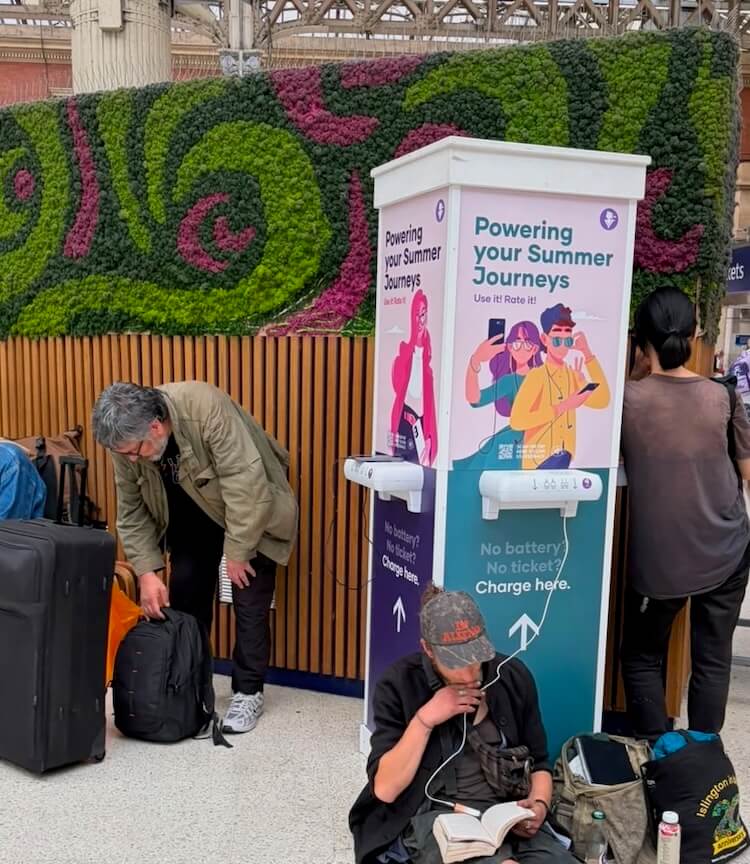
A visitor might glance at a perimeter board for two seconds. They may spend twenty minutes beside a charging point, interacting with content, watching video, placing an order, planning the rest of their visit or simply waiting while their phone regains enough battery to enjoy the rest of the day.
That's not simply visibility.
That's attention willingly given.
Buying, renting or hiring should be just as flexible
Every organisation moves at a different pace.
Some want permanent infrastructure. Others prefer predictable monthly operating costs. Some simply need equipment for a festival, exhibition or temporary activation before committing to a larger rollout.
Infrastructure should adapt to those commercial realities just as readily as it adapts to changing visitor needs.
Whether purchased, rented or hired, the objective remains exactly the same: creating useful visitor experiences that can also generate commercial value.
Looking ahead
The venues that thrive over the next decade won't necessarily be those with the biggest advertising budgets. They'll be the ones that recognise every visitor touchpoint has the potential to become something more valuable.
Not by displaying more logos.
By delivering more value.
For visitors, that means better facilities, clearer information and a smoother experience. For venue operators, it means infrastructure that helps justify its own investment. For brands, it means genuine engagement rather than passive exposure.
For decades sponsorship has largely been about buying attention. The next generation of sponsorship will be about earning appreciation.
The organisations that understand that shift first, whether they're football clubs, hospitals, transport operators, airports or global consumer brands, are likely to discover that the most valuable sponsorship opportunities were never hanging on the walls in the first place.
They were hiding in the visitor experience all along.


Join our mailing list
Sign up to our mailing list to be informed of relevant updates and insights from Crable.